
Margin
30-Second Definition
The exact amount of capital required by a broker as a good-faith deposit to open and maintain a leveraged position in the market.
Why It Matters
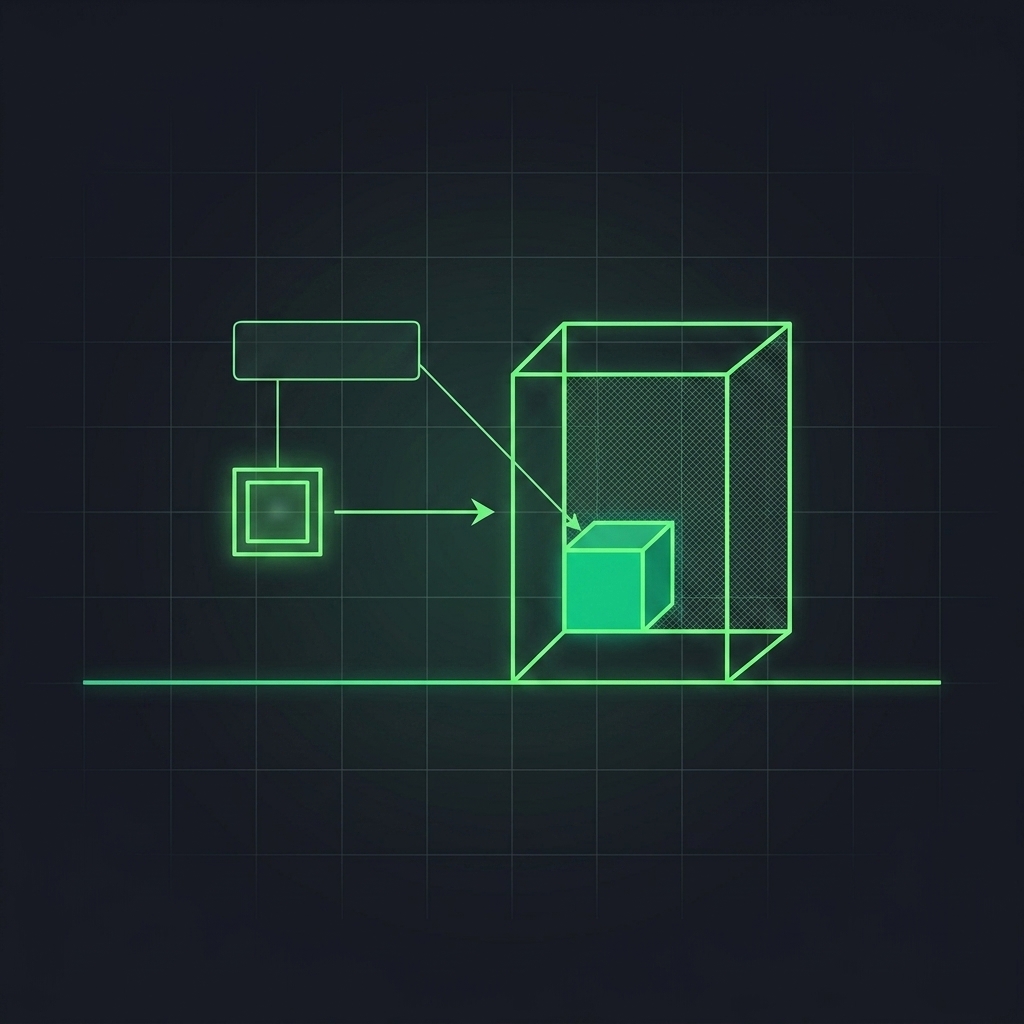
Margin is the collateral you must provide to access leverage. It is a portion of your account balance that the broker essentially “freezes” while a trade is active. Once the trade is closed, the margin is released back into your free balance.
Understanding margin is critical to avoid a Margin Call or a Stop Out. If a trader opens too many positions or suffers severe floating losses, their available equity may drop below the required margin level. When this happens, the broker will forcefully liquidate (close) the trader’s positions at a massive loss to protect the broker’s own capital.
Visual Explanation
Real Trading Example
A trader has a $5,000 account balance. The broker offers 1:100 leverage.
The trader wants to open a 1 Standard Lot position on EURUSD ($100,000 volume). Because of the 1:100 leverage, the broker requires a 1% margin deposit.
- Required Margin: $1,000
The broker freezes $1,000. The trader now has $4,000 of Free Margin remaining in their account to absorb floating losses or open new trades.
If the trade goes violently against the trader and they sustain $4,100 in floating losses, their total equity drops to $900. Because this equity ($900) is now lower than the required Margin ($1,000), the broker issues a Margin Call and forcibly liquidates the position to prevent the account from going into a negative balance.
Common Mistakes
Common Mistake
Opening Positions Until the Button Greys Out: Inexperienced traders often keep opening trades on different pairs until their trading platform physically prevents them from doing so due to insufficient Free Margin. This guarantees that even a tiny market pullback will instantly trigger a forced liquidation of the entire portfolio.
Professional Tips
Pro Tip
Monitor Your Margin Level %: Your trading platform displays a “Margin Level %” (Equity / Used Margin * 100). Professional traders aim to keep their Margin Level well above 500% to 1000% at all times. If your Margin Level drops below 100%, you are in immediate danger of forced liquidation.
FAQ
How do prop firms handle margin?
Proprietary trading firms simulate margin requirements exactly like live brokers. However, prop firm traders usually fail their evaluation by breaching the Maximum Drawdown limit (e.g., losing 10% of the account) long before they ever face a technical Margin Call from the broker.
Does margin act as a fee?
No. Margin is not a cost or a fee. It is a security deposit. When you close the trade, the exact amount of margin required to open it is immediately returned to your usable account balance, regardless of whether the trade won or lost.
What is Free Margin?
Free Margin is the amount of money in your trading account that is not currently locked up as a deposit for open trades. It is the capital available to either open new positions or absorb negative price fluctuations on your currently open trades.
Still have questions? Ask TradeGuardian AI.
Get instant, cited answers from our proven library of frameworks and strategies.