
Retest
30-Second Definition
A price movement where the market returns to touch and confirm a previously broken technical level (like a trendline or resistance zone) before continuing in the breakout direction.
Why It Matters
A Retest is a specific, highly reliable type of pullback. It is based on the fundamental psychological principle that broken Support eventually turns into Resistance, and broken Resistance eventually turns into Support.
When a market aggressively breaks through a major level (a Breakout), it leaves a vacuum behind. Traders who missed the initial breakout want a second chance to enter the trend. Traders who were trapped on the wrong side of the breakout want the price to return to breakeven so they can close their losing trades without penalty. Both of these psychological pressures cause the market to slowly bleed back (retest) to the exact level it just broke.
Trading the retest is exponentially safer than trading the initial breakout because it provides confirmation that the broken level is now being defended by the new trend.
Visual Explanation
Real Trading Example
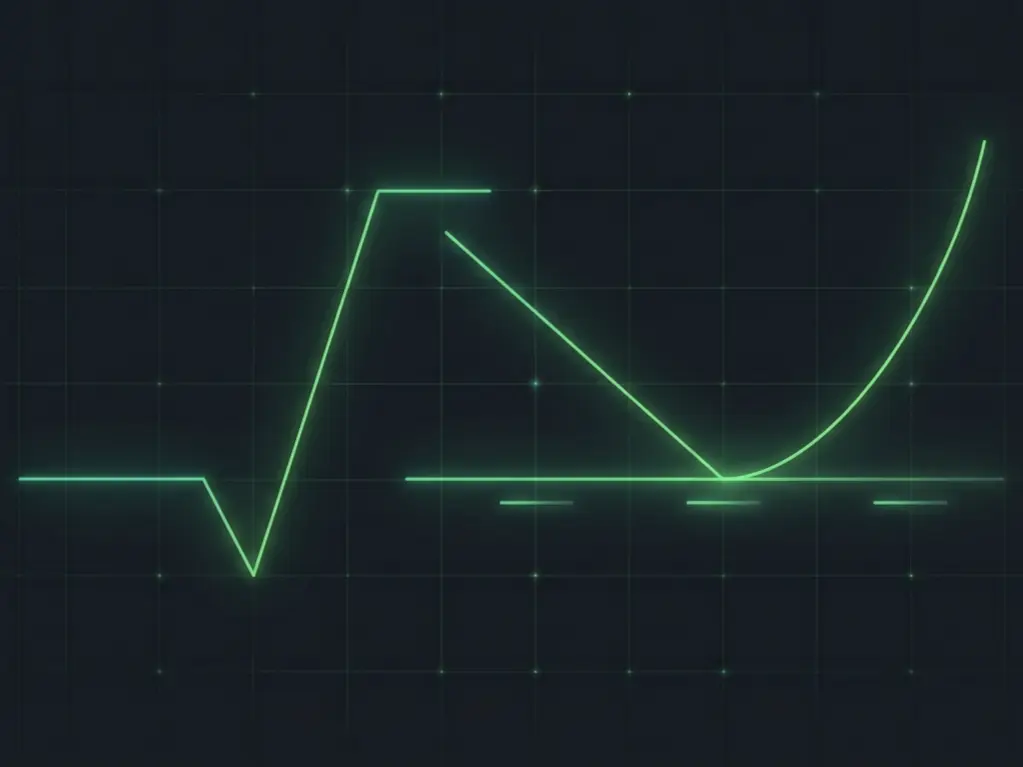
Bitcoin is facing massive resistance at $60,000. It has bounced off this ceiling multiple times. Suddenly, a massive surge of volume pushes the price straight through $60,000, peaking at $62,000. This is the Breakout.
A smart trader does not buy at $62,000. They wait. Over the next three days, the hype dies down, and the price slowly bleeds back to exactly $60,000. This is the Retest.
The old $60,000 Resistance ceiling has now flipped into a Support floor. Buyers who missed the first move step in heavily at $60,000, and the short-sellers who were trapped at $60,000 close their trades (which creates buy orders). This massive influx of demand at the retest level propels Bitcoin upward to $65,000. The trader entered safely at the retest with a tight stop loss below $59,500.
Common Mistakes
Common Mistake
Assuming Every Breakout Will Retest: While the Break and Retest is a highly probable setup, extreme momentum markets (like Crypto during a bull run) will sometimes break a level and never look back. If you stubbornly wait for a perfect retest on every trade, you will inevitably miss some massive parabolic moves.
Professional Tips
Pro Tip
Wait for the Rejection: Just because price returns to a broken level does not mean it will hold. A retest is not confirmed until the price actually touches the level and prints a rejection candle (like a pin bar or an engulfing candle). If price slices straight back through the level without pausing, it was a False Breakout, not a retest.
FAQ
What happens if a Retest fails?
If the price returns to test a broken Resistance level, but crashes straight back down through it instead of bouncing, the breakout has failed. This is a massive Liquidity Sweep, and the market will likely reverse aggressively in the opposite direction.
Can you retest a trendline?
Yes. Trendlines act exactly like horizontal S&R zones. When a diagonal trendline is broken, the price will frequently pull back to test the back-side of that broken trendline before continuing the reversal.
What is the difference between a Retest and a Mitigation Block?
They describe the exact same psychological phenomenon (trapped orders returning to breakeven). “Retest” is the retail trading term, while “Mitigation Block” is the Smart Money Concepts (SMC) term that adds institutional order flow logic to the mechanism.
Related Concepts
Still have questions? Ask TradeGuardian AI.
Get instant, cited answers from our proven library of frameworks and strategies.